




















































Here’s a secret: urologists can tell when you’re holding back. You answer questions with the bare minimum and leave without asking what’s really on your mind. Maybe you’re embarrassed. Maybe you think your concern is too weird. Maybe you’re worried about what the answer might be.
But Dr. Nathan Starke wants you to know the questions you’re afraid to ask are exactly the ones you should be asking.
In his experience as a urologist, he’s found that the best conversations between the doctor and the patient happen when theytalk honestly and directly.
“Patients appreciate when their doctor can level with them and act like a normal person,” Dr. Starke says. “A good urologist should immediately make you feel comfortable opening up and being honest about what’s really bothering you,”
Here are the questions you should be asking during your next urology appointment instead of Googling them at two in the morning.
“Is It Normal That My Penis Curves When I’m Erect?”
Penile curvature is one of the most common concerns men avoid mentioning. Mild, longstanding curvature is usually completely normal. But significant curvature, especially if it’s new, worsening, or causing pain or difficulty in the bedroom, could indicate Peyronie’s disease.
“It’s something people don’t talk about,” Dr. Starke says. “They don’t realize it’s fixable, it’s very embarrassing, and it harms their intimate relationships and causes psychological damage aside from the physical stuff.”
Depending on the specific case, Peyronie’s disease is treatable with manual traction therapy, medications, injections, and surgical options. But your urologist can’t help if you don’t speak up.
“I Can’t Get Hard Like I Used To—Does That Mean I’m Getting Old?”
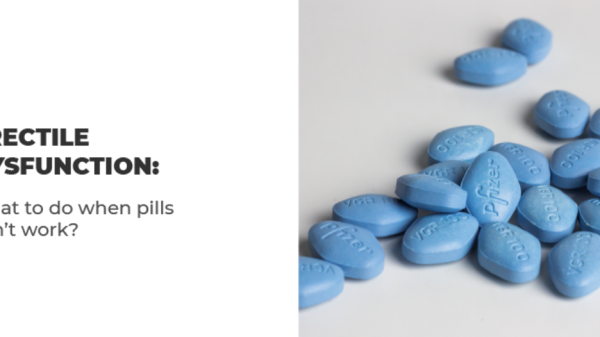
Erectile dysfunction isn’t just an “old man problem.” Dr. Starke emphasizes that “almost any male-specific issue, whether it’s urination, sexual, or hormonal, is at minimum addressable, if not fixable.”
More importantly, ED in younger men can signal serious health issues. “In men, especially younger men in their late thirties or early forties, erectile dysfunction is often the very first sign of underlying significant cardiovascular disease,” Dr. Starke notes.
The same factors that clog arteries to your heart affect the smaller blood vessels in your penis. ED could be your body’s early warning system years before a heart attack.
Ask directly, no matter your age: What’s causing my ED? Could this indicate other health problems? What are all my treatment options?
“Could Low Testosterone Be Causing My Lack of Energy and Low Sex Drive?”
“Low testosterone” has become a buzz phrase, plastered on billboards and discussed ad-nausem by podcasters with less-than-official medical credentials. Because of all this marketing noise, many men are either too skeptical to ask about it or too embarrassed to admit they might have “low T.”
Low testosterone, or hypogonadism, is a real medical condition with real impacts on your quality of life. And it’s more than just sexual function and desire.
“Low testosterone affects energy, mood, sleep, exercise ability, things that are fundamental to vitality,” Dr. Starke explains. “It’s really about the whole body working together.”
If you’re constantly exhausted, struggling in the gym, dealing with brain fog, feeling depressed, or noticing changes in your body composition, low testosterone could be a factor. But you won’t know unless you ask.
“I Finish Too Quickly—Is There Anything I Can Do About It?”
Premature ejaculation might be one of the most common sexual problems men face, yet it’s also one of the least discussed in the doctor’s office. The shame and embarrassment around “not lasting long enough” keep countless men from seeking help for something that’s entirely treatable.
Premature ejaculation is a medical condition, not a character flaw or a measure of your masculinity. It can be caused by psychological factors like anxiety or stress, physical factors like hormone imbalances, or even certain medications.
The good news? There are multiple treatment approaches, from behavioral techniques and topical medications to oral drugs and counseling. Some men benefit from addressing underlying anxiety; others find relief through medical interventions.
“Could My Porn Habits or Masturbation Frequency Be Causing Problems?”
This is a question that almost never gets asked out loud, but it’s increasingly relevant in the internet age. Many men, “especially men in their late teens, 20s, and early 30s,” says Starke, wonder whether their masturbation frequency, porn consumption, or specific sexual habits might be contributing to erectile dysfunction, premature ejaculation, or other sexual issues.
It’s a legitimate question for a urology appointment. Research suggests that excessive porn use can sometimes contribute to sexual dysfunction, and certain masturbation habits might affect your ability to perform with a partner. But there’s also a lot of misinformation and shame around this topic. One thing experts agree on, though, is that the consequences of porn use are relative to the individual. That’s why it’s important to talk to your doctor before jumping to conclusions after reading a sensationalized headline.
Your urologist isn’t there to judge your sexual habits. They’re there to help you understand what’s normal, what might be problematic, and what changes could improve your sexual health and satisfaction.
“We’ve Been Trying to Have a Baby. Is It Normal That I Can’t Perform on Demand?”
The pressure of timed intercourse during ovulation can create a perfect storm of performance anxiety. Many men struggle with erectile dysfunction, specifically when “baby-making sex” is scheduled, even when they have no problems at other times.
This is incredibly common, but most men are too embarrassed to mention it. They feel like they’re letting their partner down, worry they’re not “man enough” to handle the pressure, and suffer in silence while their relationship strains under the weight of fertility struggles.
“The mental aspect of sexuality is crucial,” says Dr. Starke. “When you’re stressed or anxious, it can put you in fight or flight mode, and an erection may be the last thing on your mind. These states can also increase anxiety and inflammation, which may harm your overall libido, too.”
The triggering of your fight-or-flight (or sympathetic nervous system) response induces the the opposite of the relaxed state needed for arousal and erection. The more you worry about performing, the harder it becomes to actually perform, creating a vicious cycle.
“It Hurts When I Pee—But I’m Too Embarrassed to Get Checked”
Painful urination, burning sensations, difficulty starting or stopping your stream, or frequent urgent trips to the bathroom—these symptoms disrupt your daily life, but many men avoid seeking help because they’re embarrassed or afraid of what might be causing them.
Maybe you’re worried about a sexually transmitted infection and don’t want to explain your sexual history. Maybe you think urination problems are just part of getting older. Maybe the idea of getting examined “down there” is keeping you away from the doctor.
But urinary symptoms can indicate many different conditions. Some are simple to treat, but others require prompt attention. Urinary tract infections, urethral scar tissue, prostate issues, bladder problems, kidney stones, and yes, STIs, can all present with urinary symptoms. But ignoring them won’t make them go away.
As Dr. Starke notes, “The two main prostate issues are enlargement, which causes urination difficulty, and prostate cancer.” While most urinary symptoms aren’t cancer, some can be early warning signs that help us catch things when they’re still easily treatable.
“I Think My Depression/Anxiety Medication Is Affecting My Sex Life. What Can We Do?”
Antidepressants and anti-anxiety medications can be life-changing for mental health, but they’re notorious for causing sexual side effects. Difficulty getting erections, delayed ejaculation, decreased libido—these problems affect many men taking SSRIs or other psychiatric medications.
Yet most men never bring this up with their doctor. They either suffer in silence, stop taking their medication (which can be dangerous), or assume they just have to choose between mental health and sexual health.
Here’s the truth: you shouldn’t have to choose. There are multiple strategies for managing medication-related sexual dysfunction, from adjusting dosages to switching medications to adding supplemental treatments.
This conversation requires coordination between your urologist and your psychiatrist or primary care doctor, but it’s absolutely worth having. Sexual health is part of overall health, and feeling good about your sex life contributes to mental well-being.
“Do I Really Need to Tell You About My Drinking/Drug Use/Smoking?”
Short answer: yes. Absolutely yes.
Many men downplay or hide their alcohol consumption, recreational drug use, or smoking habits during medical appointments.
But these habits directly impact urological and sexual health in major ways. Heavy drinking can cause erectile dysfunction; “whiskey dick” is a real phenomenon. Smoking damages blood vessels throughout your body, including those that supply your penis. Certain drugs can affect hormones, sexual function, and fertility.
Your urologist isn’t a cop or a priest. They’re not there to lecture you about your choices. They need accurate information to diagnose problems correctly and recommend treatments that will actually work for your specific situation.
Use These Questions to Get the Most Out of Your Urology Visit
The questions you’re most afraid to ask are probably the ones that matter most. Penile curvature, erectile dysfunction, premature ejaculation, size concerns, fertility struggles, medication side effects, lifestyle habits—these aren’t frivolous topics. They’re medical issues that affect your quality of life, relationships, mental health, and sometimes your long-term physical health.
“We do this all the time,” Dr. Starke reminds patients. “We know how to make uncomfortable topics easier to talk about.”