







































Vascular health plays an important role in men’s overall well-being. The body’s blood vessels carry oxygen and nutrients to different organs and tissues, while veins help return blood to the heart. When veins do not function properly, blood circulation can become less efficient, particularly in the legs.
Many men spend long hours sitting at a desk, driving, standing at work, or performing physically demanding activities. These routines can affect circulation and may contribute to the development of vein-related problems. Although some symptoms may initially seem minor, ignoring them can allow an underlying condition to progress.
Men experiencing persistent symptoms can explore modern vein treatment in San Antonio to learn about available care and the importance of a professional evaluation. Understanding the available approaches can help patients make informed decisions about their vascular health.
Why Vein Health Matters for Men
Veins are responsible for carrying blood back toward the heart. In the legs, this process requires blood to travel upward against gravity. Small valves inside the veins help prevent blood from flowing backward.
When these valves become weak or damaged, blood may collect in the lower legs. This condition is commonly associated with chronic venous insufficiency, which can cause symptoms such as swelling, discomfort, and visible varicose veins.
Men sometimes overlook these symptoms because they may not immediately interfere with daily activities. However, changes in the appearance or feeling of the legs can indicate that the veins need medical attention.
Maintaining healthy circulation is important for mobility, comfort, and long-term health. Recognizing unusual symptoms is a practical first step toward protecting vascular health.
Common Warning Signs of Vein Problems
Vein conditions can develop gradually, and their symptoms may vary from person to person. Some men notice visible changes, while others experience discomfort before any obvious signs appear.
1. Visible Varicose Veins
Varicose veins are enlarged, twisted veins that often appear blue, purple, or dark beneath the skin. They commonly develop in the legs because of the pressure placed on the veins when standing or walking.
These veins may appear as raised, rope-like structures, particularly around the calves and thighs. Although some men consider them only a cosmetic concern, varicose veins can sometimes indicate problems with the valves responsible for maintaining normal blood flow.
Not every visible vein requires treatment, but changes in appearance accompanied by pain, swelling, or heaviness should be evaluated by a healthcare professional.
2. Persistent Leg Swelling
Swelling around the ankles, feet, or lower legs is another symptom that should not be ignored. It may become more noticeable after spending several hours sitting or standing.
Venous circulation problems can contribute to fluid collecting in the lower parts of the legs. Some men notice that their shoes feel tighter by the end of the day or that their ankles appear larger than usual.
Occasional swelling can have several causes, so it should not automatically be attributed to a vein condition. However, persistent or recurring swelling deserves medical evaluation.
Sudden swelling in one leg, particularly when accompanied by pain, warmth, or redness, requires urgent medical attention because it can be associated with a blood clot.
3. Aching, Heaviness, or Tired Legs
A feeling of heaviness in the legs is a common complaint among people experiencing venous circulation problems. The discomfort may become more noticeable after long periods of standing or sitting.
Some men describe their legs as tired even when they have not completed strenuous physical activity. Others experience aching or a dull sensation around the calves and ankles.
These symptoms may improve after resting or elevating the legs, although temporary relief does not necessarily mean the underlying issue has disappeared.
When leg discomfort becomes frequent or begins affecting work, exercise, or everyday movement, a medical assessment can help identify its cause.
4. Itching and Changes in Skin Color
Changes in the skin around the lower legs and ankles can sometimes be associated with chronic venous problems. Reduced circulation may contribute to irritation, dryness, and persistent itching.
Over time, the skin may become darker, particularly around the ankles. Some people also develop areas of thickened or sensitive skin.
These changes should not be dismissed as ordinary dryness, especially when they occur alongside swelling or visible varicose veins. A healthcare professional can assess whether the symptoms are related to venous circulation or another skin condition.
5. Leg Cramps and Restlessness
Some men experience muscle cramps, particularly during the evening or at night. Others report an uncomfortable sensation that makes it difficult to keep their legs still.
Leg cramps and restlessness can have many possible causes, including muscle fatigue, dehydration, medication effects, and circulation-related conditions. They are not specific signs of vein disease.
However, when these symptoms occur together with swelling, visible veins, or persistent heaviness, discussing them with a healthcare professional may help determine whether further investigation is necessary.
Lifestyle Factors That May Affect Men’s Vein Health
Daily habits can influence circulation and overall vascular health. Although lifestyle changes cannot correct every vein condition, certain practices may help support healthy blood flow and reduce discomfort.
Prolonged Sitting and Standing
Spending long periods in one position can make it harder for the leg muscles to support normal blood circulation. Office workers, professional drivers, construction workers, and people in other occupations may experience this issue.
Taking short movement breaks throughout the day can help activate the calf muscles, which play an important role in pushing blood back toward the heart.
Men who work at desks can benefit from standing up periodically, walking for a few minutes, or performing gentle ankle movements while seated.
Limited Physical Activity
Regular movement supports circulation and helps maintain general cardiovascular health. Activities such as walking, swimming, and cycling encourage the leg muscles to work and may help reduce the effects of prolonged inactivity.
Exercise should be appropriate for an individual’s fitness level and health circumstances. Anyone experiencing significant leg pain or unexplained swelling should seek medical advice before starting a demanding exercise routine.
Excess Body Weight
Carrying excess body weight can increase pressure on the veins in the lower body. This may contribute to circulation difficulties and place additional strain on the legs.
Maintaining a healthy weight through balanced nutrition and regular physical activity can support overall vascular health. However, weight management should be considered one part of a broader approach rather than a replacement for medical treatment when a vein condition is present.
Smoking and General Cardiovascular Health
Smoking damages blood vessels and increases the risk of several cardiovascular conditions. While varicose veins are primarily associated with problems involving venous valves, maintaining overall vascular health remains important.
Avoiding tobacco, eating a balanced diet, staying physically active, and managing existing health conditions can contribute to better long-term health.
When Should Men Seek Medical Attention?
Many vein-related symptoms develop slowly, making them easy to overlook. However, certain changes should encourage men to arrange a medical evaluation.
Persistent leg swelling, recurring discomfort, visible veins that continue to enlarge, and skin changes around the ankles are all reasons to discuss circulation with a healthcare professional.
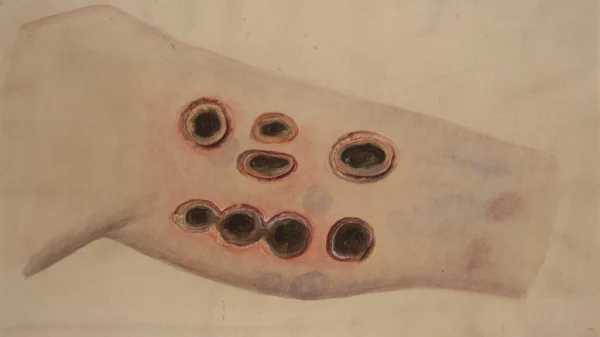
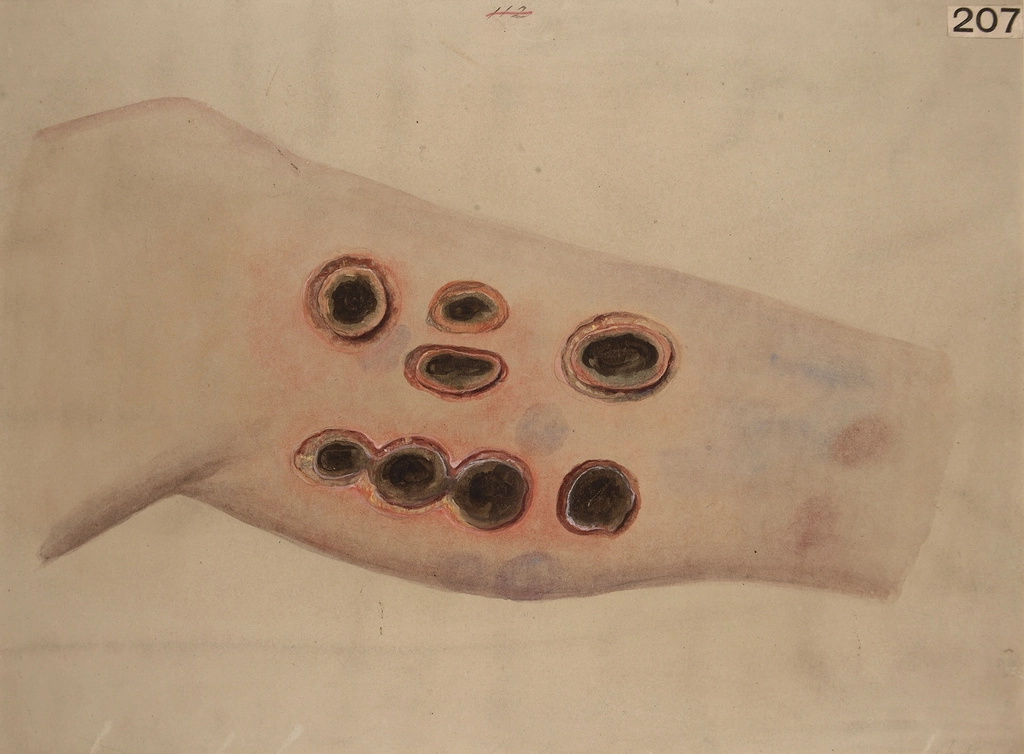
Open sores or wounds around the lower legs also require attention, particularly when they heal slowly. In some cases, chronic venous insufficiency can contribute to venous ulcers, which may need specialized care.
There are also symptoms that require more immediate attention. Sudden swelling, warmth, redness, or pain in one leg may indicate deep vein thrombosis, a blood clot in a deep vein. This condition needs urgent medical assessment. Chest pain, sudden shortness of breath, fainting, or coughing up blood requires emergency medical care.
Recognizing the difference between gradual symptoms and urgent warning signs can help men respond appropriately.
How Vein Specialists Evaluate Circulation Problems
A proper diagnosis begins with a review of symptoms, medical history, and physical examination. A healthcare professional may ask when the symptoms started, whether they become worse throughout the day, and whether certain activities affect the discomfort.
One commonly used diagnostic method is duplex ultrasound. This noninvasive imaging test allows specialists to examine blood flow and assess how well the valves inside the veins are working. It can also help identify areas where blood is flowing backward or where a blockage may be present.
The results help determine whether the symptoms are related to varicose veins, chronic venous insufficiency, or another condition.
A detailed evaluation is important because similar symptoms can have different causes. Treatment decisions should be based on the diagnosis, the severity of the condition, and the patient’s overall health.
Modern Treatment Options for Vein Conditions
Vein treatment has developed significantly over the years. While traditional surgical procedures are still relevant in certain situations, many patients may be suitable for minimally invasive approaches.
Depending on the condition, treatment options may include endovenous laser therapy, radiofrequency ablation, sclerotherapy, or other specialist-recommended procedures.
Endovenous laser therapy uses targeted heat to close an affected vein. Radiofrequency ablation uses controlled radiofrequency energy for a similar purpose. Sclerotherapy involves injecting a solution into selected veins to close them.
These treatments are not appropriate for every patient, and the choice depends on factors such as vein anatomy, ultrasound findings, symptoms, and medical history. A qualified specialist can explain the potential benefits, limitations, and recovery expectations of each option.
Everyday Habits That Support Healthy Circulation
Medical treatment may be necessary for certain vein conditions, but everyday habits can also play a useful role in supporting circulation.
Walking regularly is one of the simplest ways to keep the leg muscles active. Even short walks throughout the day can help reduce the amount of time spent sitting or standing without movement.
Elevating the legs when resting may help some people manage mild swelling. Compression stockings may also be recommended in certain situations, but they should be selected with guidance from a healthcare professional, particularly when other circulation problems are present.
Staying hydrated, maintaining a balanced diet, avoiding smoking, and managing existing health conditions are also important parts of general health maintenance.
Men should remember that these habits may help manage symptoms or support circulation, but they do not necessarily repair damaged vein valves or eliminate existing varicose veins.
Taking Men’s Vascular Health Seriously
Vein problems are not limited to older adults or people with physically demanding jobs. Men of different ages and activity levels can develop circulation-related conditions, and early symptoms may be easy to overlook.
Visible varicose veins, persistent swelling, leg heaviness, skin changes, and recurring discomfort are signs worth discussing with a healthcare professional. Identifying the cause of these symptoms can help determine whether monitoring, lifestyle adjustments, or medical treatment is appropriate.
Also read: Why Men’s Hearts Age Faster: The Silent Risk Factors in Your 30s and 40s That Can’t Wait
By paying attention to changes in their legs and seeking professional advice when needed, men can take a more active role in protecting their vascular health. A timely evaluation can provide clarity, help identify suitable treatment options, and support better long-term comfort and mobility.