














































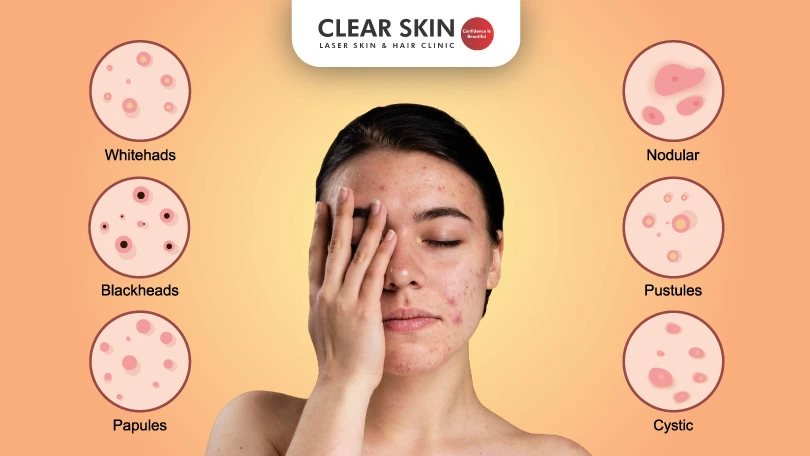
Acne is more than just a teenage concern. It affects adults and can appear at any stage of life, leaving behind irritation, scarring, and sometimes self-consciousness. While many people try over-the-counter creams or general skincare routines, the most effective results often come from treatments tailored to an individual’s skin type and condition. Seeking guidance from an acne doctor provides personalized strategies that address the root causes, rather than just the symptoms.
Acne is influenced by factors such as genetics, hormones, lifestyle, and environmental stressors. Each person’s skin reacts differently to these triggers. Some may experience oily skin with frequent breakouts, while others have dry, sensitive skin prone to inflammation. Because of this variety, a one-size-fits-all approach rarely works effectively in the long term.
How Acne Doctors Assess Skin Types
When visiting an acne doctor Singapore, the first step usually involves a detailed assessment of your skin. This includes understanding your skin type, observing the severity of acne lesions, and reviewing your medical history. Identifying whether your skin is oily, dry, combination, or sensitive is crucial, as each type responds differently to topical treatments, medications, and procedural interventions.
Doctors may also examine factors such as pore size, sebum production, and the presence of inflammation or scarring. Hormonal influences, stress levels, and dietary habits are often discussed to create a comprehensive profile. With this information, dermatologists can develop strategies that are safe, effective, and sustainable.
Personalized Treatment Options
Based on the assessment, dermatologists design a treatment plan tailored to your skin’s unique needs. These plans can include a combination of topical medications, oral therapies, and in-clinic procedures, all adjusted according to skin sensitivity and type.
Topical Treatments
Topical solutions may include retinoids, benzoyl peroxide, or antibiotic creams. These medications help reduce oil production, unclog pores, and minimize bacterial growth. For sensitive skin, lower-strength formulations or alternative compounds may be recommended to avoid irritation.
Oral Medications
In cases of moderate to severe acne, oral medications can help regulate hormones, reduce inflammation, or combat bacteria. These treatments are carefully prescribed based on your overall health, age, and the type of acne present. Close monitoring ensures that side effects are minimized while achieving optimal results.
Professional Procedures
Some patients benefit from in-clinic procedures such as chemical peels, laser therapy, or microneedling. These methods target deeper skin layers, improve texture, and reduce the risk of scarring. The choice of procedure depends on skin type, acne severity, and treatment goals.
Daily Skin Care for Long-Term Management
Even the most advanced treatments work best when combined with a consistent home care routine. Proper cleansing, moisturization, and sun protection are essential for maintaining healthy skin. Dermatologists often provide recommendations for gentle cleansers, non-comedogenic moisturizers, and products tailored to your skin type.
Avoiding harsh scrubs or over-washing is critical, especially for sensitive or dry skin. These practices can strip the skin of its natural barrier, potentially worsening acne. Using sunscreen daily not only protects against UV damage but also prevents post-inflammatory hyperpigmentation, which can leave lingering marks after acne clears.
Lifestyle Factors That Influence Acne
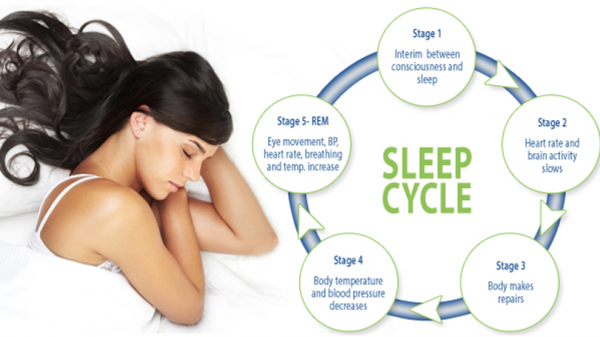
Diet, stress, and sleep play significant roles in skin health. Dermatologists may discuss dietary patterns, hydration, and stress-reduction techniques as part of an acne management plan. Foods high in refined sugars or dairy may exacerbate breakouts for some individuals. Similarly, chronic stress can trigger hormonal fluctuations that worsen acne.
Incorporating balanced meals, regular exercise, and adequate rest supports overall skin health. While lifestyle adjustments alone may not completely resolve acne, they enhance the effectiveness of professional treatments and help maintain long-term results.
Keeping Skin Healthy for the Long Term
Effective acne management relies on a combination of professional treatments, consistent home care, and attention to lifestyle factors. Personalized plans created by an acne doctor Singapore ensure that treatments address the underlying causes of breakouts while minimizing side effects. Through consistent care, patients can maintain clear, healthy skin and enjoy the confidence that comes with it.
When to Seek Professional Help
Visiting a qualified acne doctor Singapore is recommended if you experience:
- Persistent or worsening breakouts despite over-the-counter treatments
- Painful cysts or nodules
- Scarring or dark spots forming from acne lesions
- Uncertainty about which products or medications are safe for your skin
- Desire for a comprehensive treatment plan tailored to your unique skin type
Professional guidance ensures that treatments are both effective and safe, reducing the risk of side effects and promoting faster, lasting improvement.
Achieving Clear Skin Through Personalized Care
Personalized care is the cornerstone of effective acne management. By combining professional assessment, tailored treatments, daily skincare, and lifestyle adjustments, patients can achieve clearer skin and reduce the risk of long-term scarring. Many individuals notice gradual improvements within a few weeks, with significant changes over several months.
The benefits of personalized treatment go beyond physical appearance. Clearer skin often boosts confidence, reduces social anxiety, and promotes overall well-being. By partnering with an experienced dermatologist, you can navigate the complex factors that contribute to acne and develop a sustainable strategy that works for your skin type and lifestyle.
Commonly Asked Questions
How long does it take to see results from professional acne treatment?
Results vary depending on acne severity and treatment type, but improvements often become noticeable within 4 to 8 weeks. Significant changes typically occur over a few months.
Can acne come back after treatment?
Yes, acne may recur, especially if triggers like hormonal changes, stress, or improper skincare continue. Regular follow-up and preventive measures help maintain results.
Are professional treatments painful?
Most procedures are well-tolerated, with some causing mild discomfort or temporary redness. Your dermatologist will discuss pain management and recovery expectations beforehand.
Can all skin types benefit from acne treatments?
Yes, treatments are customized based on skin type and sensitivity, ensuring that each individual receives safe and effective care.
Is home care alone enough for severe acne?
For mild acne, home care may help, but moderate to severe cases usually require professional intervention to prevent scarring and persistent breakouts.
Next Steps
If acne is affecting your confidence or leaving marks on your skin, scheduling a consultation with a qualified acne doctor Singapore is an important first step. A personalized treatment plan tailored to your skin type and lifestyle can help reduce breakouts, prevent scarring, and maintain long-term skin health, giving you clearer, smoother, and more radiant skin over time.