























































Recovering from oral surgery – don’t let it freak you out. You’ve had your wisdom teeth yanked, stuck in some dental implants, or had a tooth pulled – whatever it is – knowing the ropes and being prepared for the after effects can make all the difference
The good news is that you can get through the recovery process feeling pretty good with some clear guidance to follow.
What Should You Expect in the First 24–72 Hours
First lets nail down the basics – the first 24-72 hours after surgery are going to be pretty key. Sure swelling, soreness, and a wee bit of bleeding are all pretty normal, but knowing what to expect can go a long way in keeping your anxiety in check. Oddly enough the swelling usually peaks between 24 and 48 hours then starts to calm down. You can actually use ice packs on the outside of your face 15-20 minutes at a time to help take some of the swelling down a notch
Of course the levels of pain are going to vary depending on the actual procedure you had and how sensitive you are – but over the counter pain meds like ibuprofen or acetaminophen can help out a lot. If you’ve been prescribed some painkillers make sure to do exactly as you’re told – dont try to second guess the doc on this one.
And just to reiterate again minor bleeding is pretty normal – just bite gently on the gauze they gave you as instructed, and please for the love of all things good avoid spitting or using straws – its just going to make things a lot worse and dislodge the blood clots.
With that being said, if you recently had Wisdom teeth removal Boca Raton, expect some jaw stiffness and mild bruising around the cheeks. You know what? These symptoms usually fade within a week.
Evidence-Based Pain Management
To break it down, there are three main areas to focus on, and those are:
Medication
You should take your prescribed pain meds as directed – don’t wait for the pain to get unbearable. If you’re using over-the-counter painkillers like NSAIDs, they can help with both pain and swelling, but be aware that combining meds without your surgeon’s OK can be a problem. Timing really does matter here. For example, taking your first dose just as the anaesthetic is wearing off can help stop sharp spikes of discomfort from kicking in.
Cold and Warm Therapy
For the first 24 hours after surgery, you should be using ice – it does a great job of reducing swelling and numbing the area. After that, your doc might recommend switching to a warm compress to get the blood flowing and support the healing process. Of course, a lot of people find that switching between hot and cold can be really helpful for managing swelling and making the discomfort more manageable as well.
Rest and Positioning
Let’s get real, rest is not optional – you should be taking it easy & avoiding anything too strenuous, because it can make blood flow to the surgical site and make the swelling or bleeding worse. As a general rule, you should keep your head slightly elevated when you’re sleeping – it helps fluids drain properly and takes some pressure off the area.
Foods and Drinks That Aid Recovery
Diet has a direct impact on how well and how fast you heal. Stick with soft, nutrient-dense foods and avoid anything that could irritate the surgical site.
Good choices include cold or room-temperature options such as yogurt, smoothies, applesauce, and mashed potatoes. Soft protein sources such as scrambled eggs, cottage cheese, and protein shakes help support tissue repair. Stay hydrated with water, herbal tea, and broth to keep your body functioning properly during recovery.
There are also foods you should avoid. Hard, crunchy, or chewy items like nuts and chips can disturb the surgical area. Spicy or very hot foods may irritate. Alcohol and carbonated drinks can interfere with proper blood clot formation and slow the healing process.
With these in mind, note that a careful diet is essential to support bone and tissue healing for patients who have undergone dental implants Boca Raton and are still recovering.
Knowing When to Contact Your Surgeon
While mild swelling and soreness are normal, some symptoms require attention. Some of these include:
- Excessive bleeding that doesn’t stop with gauze
- Pain that worsens instead of improving
- Signs of infection, including fever, pus, or unusual redness
- Persistent numbness or tingling
- Difficulty breathing or swallowing
With this in mind, note that keeping a simple journal of pain levels, swelling, and diet helps track your recovery and makes it easier to communicate with your surgeon if needed.
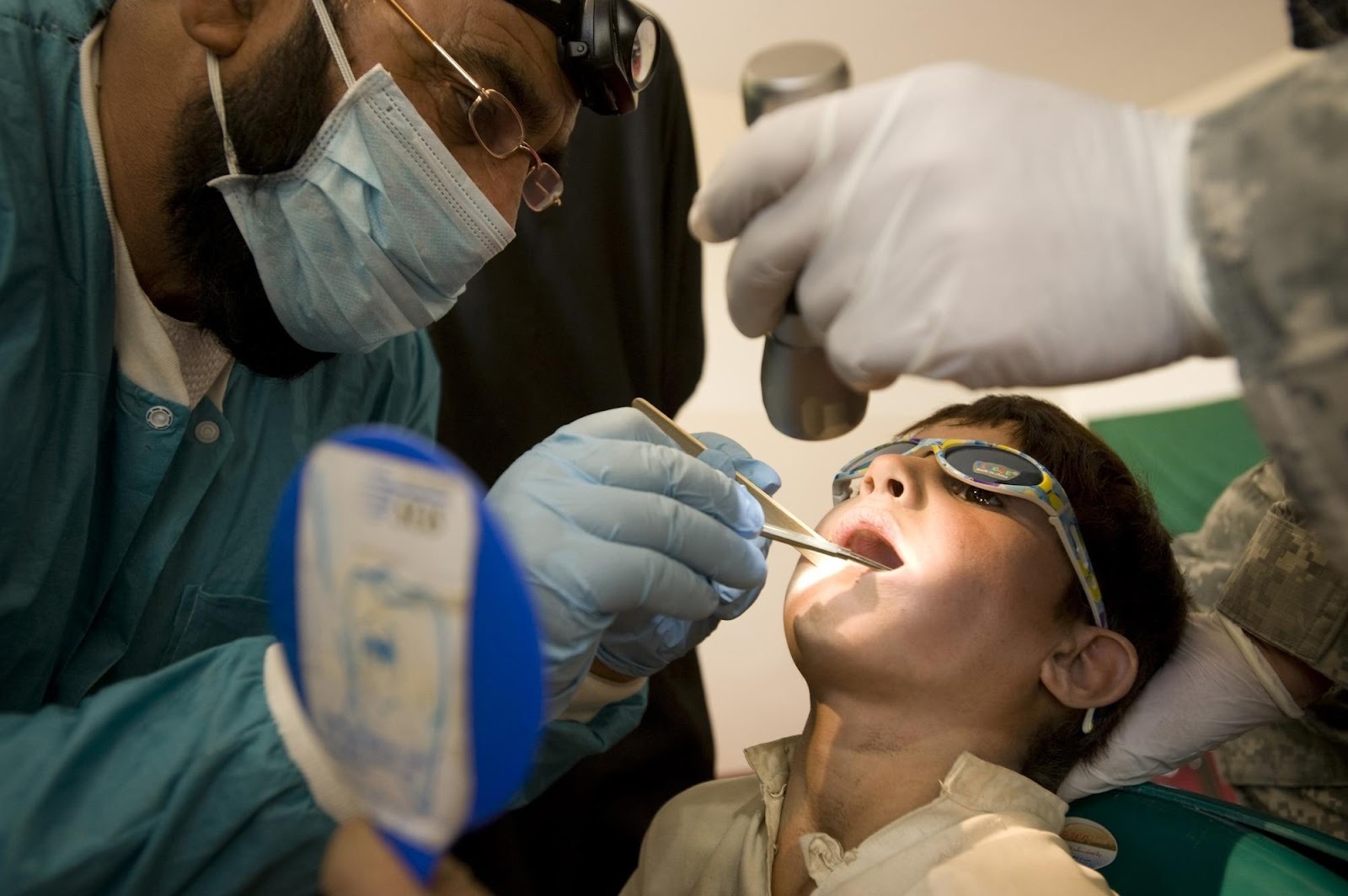
If you recently had a Tooth extraction Boca Raton, watch for prolonged bleeding or severe pain. Prompt follow-up ensures complications are addressed quickly.
Conclusion
Recovering from oral surgery does not have to feel overwhelming. But this will only be your reality when you understand what to expect, how to manage pain with proven strategies, choose the right foods, and watch for warning signs.
With all these put together, you give your body the best chance to heal smoothly. The bottom line is to follow your surgeon’s instructions closely and reach out if something feels off. Usually, that simple approach supports a safe recovery and protects your long-term oral health.