

































































Starting a journey toward physical recovery is a significant step for any athlete or active adult. The first seven days often serve as the foundation for long-term success, setting the tone for the entire recovery process. For those beginning rehabilitation at Motion RX, this initial week is designed to transition the patient from a state of limitation to a position of empowerment. The clinic operates on a philosophy of performance-based, patient-centered care, ensuring that every individual receives the attention necessary to meet their unique physical goals. By understanding what to expect during this timeframe, patients can reduce anxiety and focus entirely on their movement and healing.
The Importance of the First Week in Your Recovery Journey
The initial week is critical because it moves beyond simply treating symptoms. At Motion RX, the focus is on identifying the root cause of discomfort or dysfunction. This period is not just about attending appointments; it is about establishing a collaborative partnership between the physical therapist and the patient. This phase involves a deep dive into biomechanics and lifestyle factors that contribute to the current physical state. Whether a patient is seeking sports injury recovery or post-surgical rehab, the first few sessions provide the data needed to build a highly effective recovery roadmap.
Preparing for Your First Visit
Proper preparation ensures that the first session is as productive as possible. Patients should arrive wearing comfortable athletic clothing that allows for a full range of movement. Since Motion RX focuses on performance physical therapy, the evaluation often involves active movements like squatting, lunging, or running. Appropriate footwear, such as the sneakers usually worn during workouts, is also recommended.
Bringing the necessary documentation is equally vital. This includes a detailed medical history, any recent imaging reports like X-rays or MRIs, and insurance information. While a referral is not always required to see a physical therapist, having one can help streamline the intake process. Arriving approximately fifteen minutes early allows for the completion of the initial intake paperwork, ensuring that the full hour of the session is dedicated to one-on-one clinical care.
Day 1: The Comprehensive Initial Evaluation
The first day at Motion RX is unlike a typical clinical visit. It begins with a clinical interview where the physical therapist spends time understanding the patient’s history, pain levels, and specific lifestyle factors. This conversation goes beyond the injury itself, exploring the patient’s long-term goals, whether that is returning to CrossFit, finishing a marathon, or simply playing with their children without pain.
Following the interview, a detailed physical assessment takes place. This includes range of motion testing to see how joints are moving and strength and mobility screening to identify any imbalances. The physical therapist performs a biomechanical and movement analysis, which is essential for identifying the root cause of an issue rather than just the location of the pain. By establishing these baseline metrics on day one, Motion RX ensures that every bit of progress is tracked objectively from the very start of the personalized recovery plans.
Developing Your Personalized Recovery Roadmap
Once the evaluation is complete, the focus shifts to creating a roadmap. This is a collaborative effort where the therapist and patient set short-term and long-term goals. Short-term goals might include reducing swelling or improving a specific movement pattern, while long-term goals focus on a full return to sport or high-level activity. This phase includes a clear explanation of the Plan of Care, which outlines the frequency of visits and the estimated timeline for recovery.
A modern approach to physical therapy services includes digital integration. Patients are introduced to the Motion RX digital portal or mobile app. This tool houses the home programming, ensuring that the patient has clear instructions and video demonstrations for their exercises between clinic visits. This transparency ensures that the patient is never guessing about what to do next.
Days 2 and 3: Education and Initial Implementation
The middle of the first week is dedicated to understanding the “why” behind the treatment. Education is a cornerstone of the Motion RX experience. When a patient understands the specific mechanics of their injury or condition, they are better equipped to manage it. This educational component helps bridge the gap between clinical sessions and daily life.
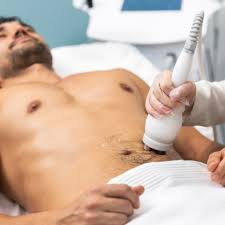
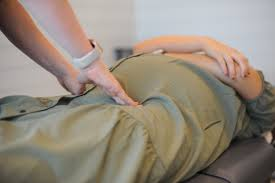
During these sessions, the therapist introduces corrective exercise programs. The focus here is on proper form and technique. Instead of generic exercises, these movements are tailored to the patient’s specific biomechanical needs. If applicable, manual therapy may also be introduced. This could include soft tissue work, joint mobilization, or dry needling. These techniques are used to manage acute symptoms and improve tissue mobility, making it easier for the patient to perform their corrective movements effectively.
Days 4 Through 7: Building Consistency and At-Home Integration
As the first week progresses, the emphasis shifts toward building a routine. The Home Exercise Program (HEP) is integrated into the patient’s daily life. Consistency is the primary driver of change in the musculoskeletal system, and the HEP ensures that progress continues even on days when the patient is not in the clinic. This period is also a time for feedback loops. The patient and therapist discuss how the body is responding to the initial movements and adjustments are made as needed.
This stage often involves neuromuscular re-education. This is the process of teaching the brain and the muscles to work together more effectively. For someone recovering from an ACL rehab or a running injury, this might mean practicing specific movement patterns that protect the joints while building power. It is about moving beyond basic stretching and into the realm of functional, performance-driven movement.
Managing Physical and Mental Expectations
The first week of rehabilitation can be an emotional and physical adjustment. Patients may experience new physical sensations. It is important to distinguish between “good soreness,” which often follows the engagement of underused muscles, and “injury pain,” which is a signal to stop. The physical therapist provides guidance on how to interpret these signals.
There is also an emotional shift that occurs during the first week. Many patients arrive feeling frustrated by their limitations. By the end of the first week, this frustration often turns into empowerment. Having a plan and seeing the first signs of progress through objective metrics provides a sense of control over the recovery process. Clear communication is maintained throughout this time, and patients are encouraged to stay in touch with their Motion RX therapist between sessions via the digital portal if questions arise.
Why the First Week at Motion RX is Different
What sets Motion RX apart is the commitment to one-on-one attention. In many traditional settings, a patient might be passed off to an aide or assistant after the first few minutes. At Motion RX, every session is a full hour with a doctor of physical therapy. This ensures that every movement is coached with precision and every concern is addressed immediately. The clinic also integrates high-performance recovery tools that are usually reserved for professional athletes, providing an elite environment for everyone.
The approach is proactive rather than reactive. Instead of waiting for pain to decrease before starting movement, the focus is on finding safe ways to move immediately. This specialized expertise in areas like CrossFit physical therapy, pelvic floor health, and running gait analysis allows for a more nuanced approach than the standard care found elsewhere. The goal is always a return to an active lifestyle with improved strength and mobility.
Conclusion
The first week of rehabilitation at Motion RX is a comprehensive journey from assessment to action. By focusing on a personalized recovery roadmap and one-on-one care, patients are set up for success from their very first visit. This initial period establishes the baseline, builds the routine, and provides the education necessary for a long-term return to peak performance. Whether dealing with a sports injury or seeking orthopedic rehabilitation, the process is designed to be clear, supportive, and effective. Staying committed to these first steps is the most important part of reclaiming physical freedom and moving toward a pain-free life. Ready to return to the gym and your favorite activities? Schedule a consultation with the Motion RX team today to begin your customized recovery plan.