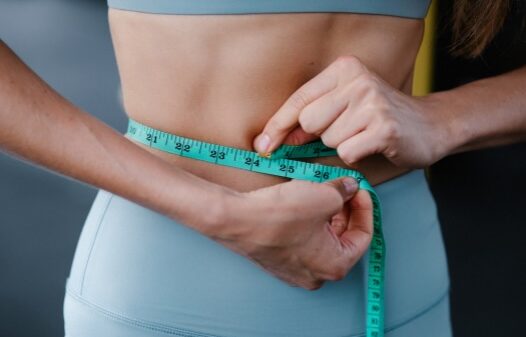







































As you turn 35, your everyday routine seems to get more challenging compared to your 20s because you notice that your body has changed. You can even start to feel as if your workout routine has been getting much heavier, and your weight does not seem to go lower as quickly as it used to.
This is because when you enter your midlife, your metabolism and hormones change, which means the same habits in your 20s may not work the same way anymore. So why does weight loss suddenly feel harder?
Let’s break down what is happening in your body and some simple guide to help you effectively lose weight in your mid 30s.
Changes in Metabolism
One of the major reason that your weight loss start to slow down is because of metabolism drop. When your metabolism is getting lower, your body will burn calories much more slowly compared to when you were younger.
Technically, it does not mean that once you turn 35, your metabolism changes overnight. But with small lifestyle changes over the years, your body can start to use less energy than it used to, which can lead to burning fewer calories. When it happens, you can expect slower weight loss progress even when you have adjusted your diet.
Hormone Fluctuations
Hormone changes also play an important role in your weight loss journey as you enter midlife, for both men and women.
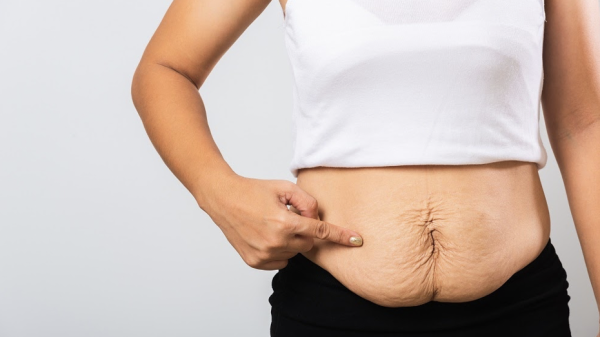
For women, this is tied closely to reproductive cycles, especially as you enter menopause or perimenopause. When you enter this stage, your estrogen and progesterone levels will decline and impact your fat storage, which can make your body appear fuller than before. Changes in hormones during this stage might also impact sleep habits, mood, and focus level, which can indirectly affect your weight.
On the other hand, hormone changes in men occur as the testosterone level gradually decline. When testosterone levels continue to drop, it can make it harder to maintain muscle mass, strength, and stamina, which leads to slower weight loss progress.
Muscle Loss
Another reason why your weight loss feels slower once you hit 35 is because of the gradual muscle loss. Commonly, you can lose around 3-8% of your muscle mass over the decade if you do not practice regular strength training. This is a significant factor since muscle burns more calories than fat, so when muscle mass is getting lower, your body can get weaker, your metabolism is getting slower, and your weight loss is getting even more challenging.
Other than the impact on your weight loss, losing muscle can affect your overall strength and mobility, which increases the risk of falling or injuries. However, all of these are preventable, and working out along with balanced protein intake can help maintain and gradually rebuild your muscles.
Lifestyle Changes and Food Consumption
Beyond what’s happening inside your body, your lifestyle matters too. Once you enter 35, you might face busier schedules or pressure from the people around you, whether it’s work, family, or social life, which leaves you with little to no time exercising, having an unhealthy diet, and lack of sleep.
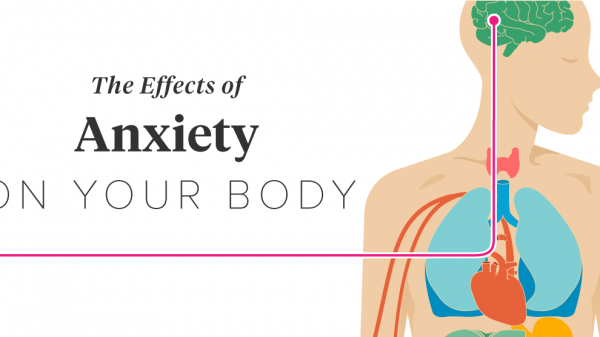
It’s even harder if you are also under extreme stress, because your cortisol levels will increase and can lead to a higher appetite. Combined with a poor sleep quality, you become less likely to feel full and constantly hungry. This combination can lead you to overeating without you even realising.
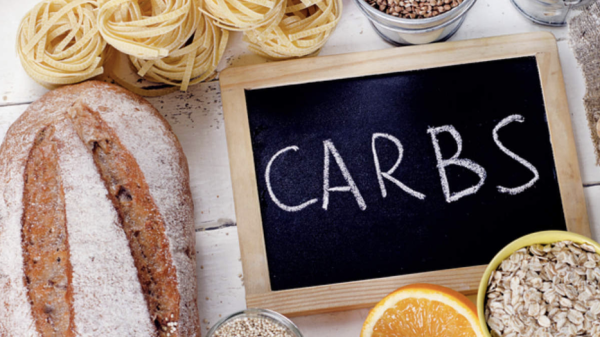
Your food choices also play a role. If you are someone who loves to consume sugary drinks or foods, processed foods, or alcohol, these can contribute to a surge in your calorie intake. Since your body has started to burn calories more slowly, this can make your weight loss progress feel slower or stalled.
How To Fix Your Weight Loss
With a combination of different factors such as metabolism, hormones, muscle loss, and lifestyle habits, weight loss after 35 might feel tough for some. But with consistency and dedication, you can still make a difference for your health. Here are some ways to get a better result:
- Prioritise strength training, as it can help your body burn more calories
- Include cardio along with your strength training to support heart health and calorie burn
- Increase your protein intake to stay fuller longer and to reduce cravings
- Avoid consuming sugary drinks, processed foods, and alcohol
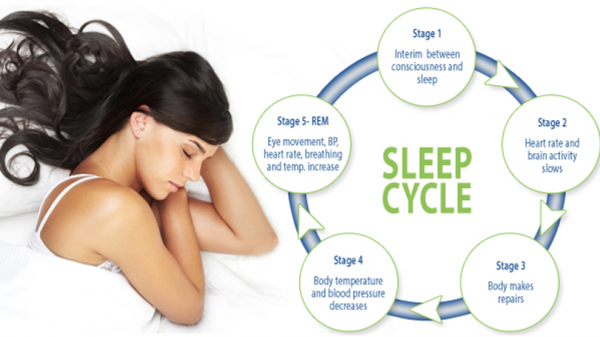
- Get a good sleep quality to regulate your hormones and to control your appetite better
- Manage your stress levels and learn how to cope accordingly
- Focus on consistent, slow, but steady progress rather than extreme diet
- Try a personalised nutrition plan based on your health and weight goals
When To Seek Medical Help
If you have yet to see a difference, even with consistent effort with your diet and fitness, sometimes a consultation with a healthcare professional can help you better. You might not realise that there are possibility of underlying health factors like hormones, thyroid, or metabolic concerns, which is why getting a professional assessment is needed.
If you’re based in Singapore, you can consider visiting Prologue Women’s Wellness for a personalised plan on your weight loss management. They offer body composition analysis using the inBody test to help you better understand your muscle mass, body fat percentage, and hydration levels. You can also consult with their dietitian to discuss a personalised plan tailored to your goals, lifestyle, and overall health.