






























































Cataract surgery is not only about removing a cloudy lens—it also offers an opportunity to improve how you see afterward. One of the most important decisions in this process is selecting the type of artificial lens that will replace the natural one. This choice can influence how clearly you see at different distances and how much you rely on glasses in daily life.
Understanding how different lenses work and what factors influence this decision can make the process feel less overwhelming. With the right information, patients can approach cataract surgery with greater confidence and clearer expectations.
What Happens During Cataract Surgery
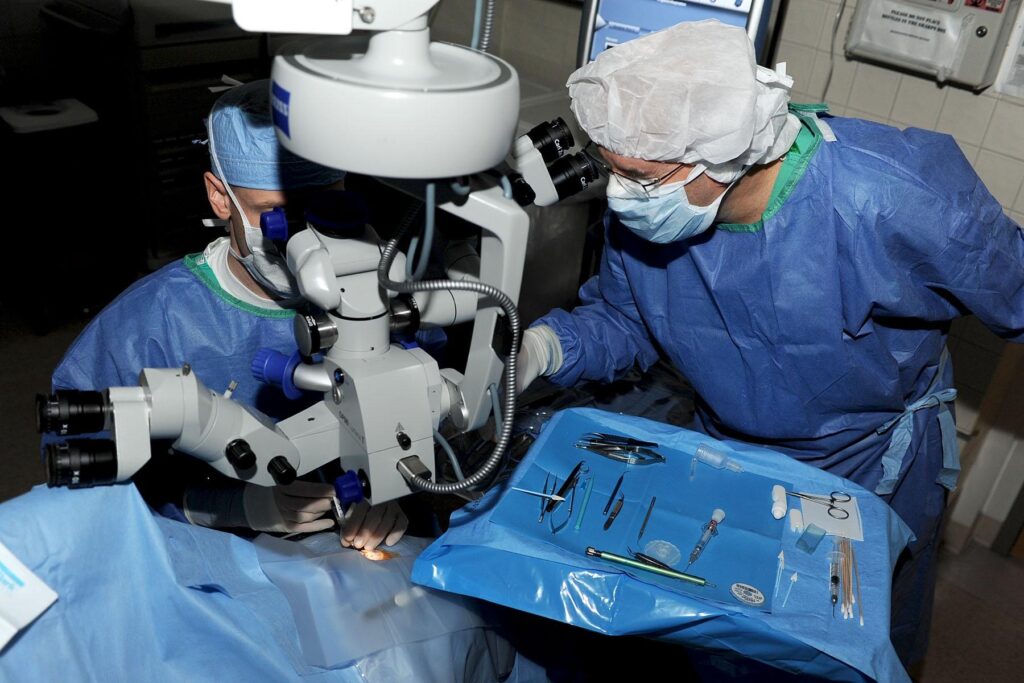
Cataracts develop when the eye’s natural lens becomes cloudy, making it harder for light to pass through clearly. During surgery, this lens is removed and replaced with an artificial intraocular lens. The new lens restores clarity and allows light to focus properly on the retina.
The procedure is typically quick and performed on an outpatient basis. Many people notice improved vision within a few days, although full adjustment may take several weeks.
The type of lens chosen plays a significant role in how vision improves after surgery.
Understanding Different Types of Intraocular Lenses
Artificial lenses are designed to replace the focusing function of the natural lens. The most commonly used option is the monofocal lens, which provides clear vision at one distance, usually far away. Patients often need reading glasses for close tasks.
Other options include multifocal lenses, which are designed to provide both near and distance vision. These lenses can reduce the need for glasses, but they may also cause visual effects such as glare or halos for some individuals.
There are also toric lenses, which are used to correct astigmatism and improve overall clarity. Each type has its own advantages, depending on the patient’s visual needs.
How Lens Choice Affects Daily Life
The lens selected during cataract surgery can influence how you experience everyday activities. For example, someone who spends a lot of time reading or using digital devices may benefit from a lens that supports near or intermediate vision.
On the other hand, individuals who prioritize distance vision for activities like driving may prefer a different option. Understanding personal habits and lifestyle plays an important role in this decision.
For those exploring this topic further, this guide on choosing cataract lenses provides additional insight into how different lenses affect visual outcomes.
Balancing Clarity and Comfort
Each lens option involves a balance between clarity at certain distances and overall visual comfort. Some lenses offer greater independence from glasses, while others provide sharper focus in specific situations.
Discussing these trade-offs with an eye care professional helps ensure that expectations align with the final result. This conversation is an important part of the decision-making process.
Taking time to understand these differences can lead to greater satisfaction after surgery.
Factors That Influence Lens Selection
Several factors determine which lens may be most suitable. Eye health, including the presence of conditions such as astigmatism or retinal issues, can influence the available options. Lifestyle preferences also play a key role.
Age and previous vision correction procedures may affect how the eye responds to certain lenses. A thorough evaluation helps identify the best approach for each individual.
Clear communication between the patient and the eye care provider ensures that all factors are considered.
Understanding Costs and Expectations
Different lens types can vary in cost, and this is often part of the decision-making process. Standard lenses are typically covered by insurance, while more advanced options may involve additional expenses.
Understanding the financial aspect alongside the visual benefits helps create realistic expectations. For a broader look at how vision correction procedures are priced, this article on vision procedure costs provides helpful context.
Balancing cost with personal priorities allows for a more informed choice.
Recovery and Adapting to a New Lens
After cataract surgery, the eye needs time to heal and adjust to the new lens. Vision may improve quickly, but full adaptation can take several weeks. During this time, the brain learns how to interpret visual signals from the artificial lens.
Some individuals may notice changes in depth perception or light sensitivity as part of this adjustment. These experiences usually improve as the eye and brain adapt.
Following post-surgery care instructions helps support a smooth recovery.
Long-Term Vision Stability
Once the eye has fully healed, vision typically becomes stable. The artificial lens does not develop cataracts, which means the clarity achieved after surgery is usually long-lasting.
Regular eye exams remain important to monitor overall eye health. Other conditions can still affect vision over time, so ongoing care is essential.
Maintaining healthy habits supports lasting visual comfort.
A Broader View of Vision Care
Cataract surgery is one part of a larger approach to maintaining healthy vision. Understanding how different treatments and technologies work together helps individuals make informed decisions about their care.
For a wider perspective on correcting and improving vision problems, this resource from Johns Hopkins Medicine provides helpful information about various vision correction options.
Staying informed supports better outcomes and long-term eye health.
Conclusion
Choosing the right lens for cataract surgery is an important decision that can shape how you see the world afterward. By understanding the available options and considering personal needs, individuals can make choices that align with their lifestyle.
With careful planning and clear communication, cataract surgery can provide not only restored vision but also greater comfort and independence in daily life.