





























































Heavy lifting is a cornerstone of strength training, yet injuries from poor technique and rushed decisions remain common among men. Many strains and setbacks in the gym can be attributed to issues you can actively address. Understanding the primary risk factors and prioritizing sound habits will help you train harder and safer.
Injuries often occur when men misuse lifting equipment, underestimate recovery needs or ignore signs of fatigue. These mistakes can lead to strains, sprains and setbacks that interrupt training progress. By developing a stronger awareness of common causes and adopting safer strategies, men can minimize risk while continuing to build strength.
Common causes of injuries during heavy lifting
Poor spinal positioning and lack of core bracing are frequent factors associated with injuries in resistance training. When you lose spinal neutrality or fail to engage the core under load, extra stress can fall on ligaments, discs and tendons.
Fatigue during sessions, rushing repetitions and attempting weights heavier than you can manage (often called “ego lifting”) can elevate risk. Weakness or stiffness in joints such as the hips, ankles, shoulders or upper back can also disrupt safe movement patterns, making injury more likely during high-intensity efforts.
Technical principles for safer strength training
Effective bracing starts with stacking your ribcage over your pelvis and maintaining a neutral spine. Using a steady, controlled tempo keeps tension where it belongs and helps you notice subtle shifts in balance or alignment before they become problems.
Your breathing should be deliberate: inhaling before the effort, bracing during the lift and exhaling as you return to the starting position. Stable foot pressure from start to finish creates a stronger link between force from the ground and the barbell, making each repetition safer and more efficient.
Effective preparation routines and warning signs
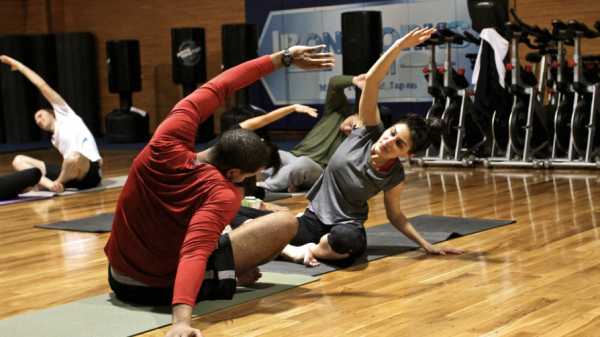
A proper warm-up goes beyond light cardio. Spend five to eight minutes raising tissue temperature, followed by targeted activation drills specific to your main movement and use a few ramp-up sets to ease your body into heavier loads.
Quick movement screens can help identify asymmetries or restricted ranges that may lead to problems if left unaddressed. If you notice uncharacteristic fatigue, pain that radiates or restrictions in your normal range of motion, those cues should prompt caution and, if symptoms persist, further evaluation.
Building smarter progress and supporting recovery
Gradual increases in training volume and load are important for joint and connective tissue adaptation. Mixing heavy sets with technique-focused or accessory work allows you to maintain quality while managing fatigue levels throughout the week.
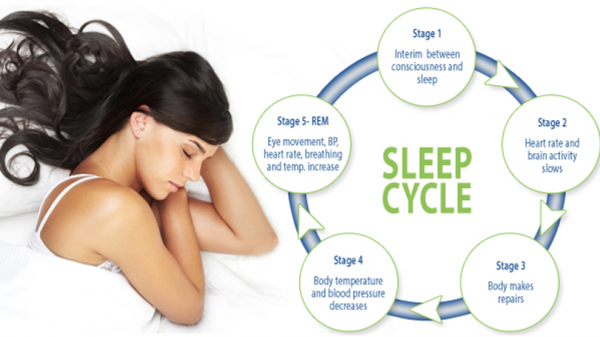
Pay attention to form breakdown cues such as rounding of the back, shifting weight or being unable to maintain consistent tempo, since these are signs to stop a set before risk increases. Supporting recovery with adequate sleep, hydration and nutrition helps muscles and connective tissues rebuild, allowing long-term progress with fewer setbacks.