




















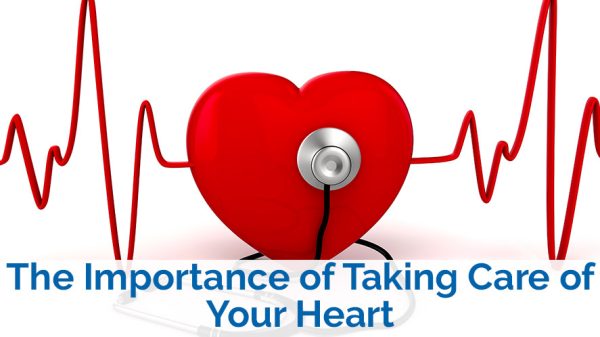






































Cardiovascular disease does not arrive without warning. For most men, it builds quietly across decades — through ignored stress, skipped checkups, and lifestyle habits that feel harmless at thirty but become dangerous at forty-five. The statistics are sobering: men develop heart disease roughly a decade earlier than women on average, and a significant portion of first heart attacks occur in men who believed they were perfectly healthy. This is not a coincidence. It is a pattern rooted in biology, behavior, and a cultural reluctance to take health seriously until something goes wrong. World Heart Day 2026 is asking men to break that pattern — before it breaks them.
The Biology Behind the Gap: Why Men Are More Vulnerable, Sooner
Estrogen provides women with a degree of cardiovascular protection during their reproductive years. It helps maintain arterial flexibility, supports healthy cholesterol ratios, and reduces inflammation in blood vessels. Men do not have this hormonal buffer. Testosterone, while essential for muscle mass and energy, has been associated with higher LDL cholesterol levels and a greater tendency toward abdominal fat accumulation — both of which accelerate arterial plaque buildup. This biological reality means that the damage men do to their cardiovascular systems in their 30s and 40s compounds faster and with fewer natural safeguards than it does in women of the same age.
Visceral Fat: The Risk Factor Hidden Beneath the Surface
Many men in their late 30s and 40s carry what is commonly called a “beer belly” without understanding what it actually represents medically. Visceral fat — the fat stored deep within the abdominal cavity around internal organs — is metabolically active tissue. It releases inflammatory compounds, disrupts insulin signaling, and directly contributes to hypertension and elevated triglycerides. A man can have a relatively normal body weight and still carry dangerous levels of visceral fat. Waist circumference above 40 inches in men is considered a significant cardiovascular risk marker, yet this measurement is rarely discussed outside clinical settings.
The Risk Factors Most Men Dismiss in Their Prime Years
The 30s and 40s are often the most professionally demanding decades of a man’s life. Career pressure, financial responsibility, and family obligations create an environment where personal health becomes secondary. This is precisely when several critical risk factors tend to take root and go unaddressed.
Chronic Stress and Its Cardiovascular Toll
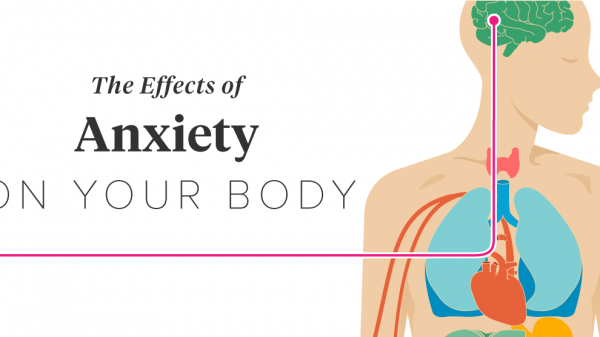
Chronic psychological stress triggers sustained elevation of cortisol and adrenaline, both of which raise blood pressure, increase heart rate, and promote inflammation throughout the vascular system. Men are statistically less likely than women to seek mental health support or even acknowledge stress as a medical concern. Over years, this unmanaged stress load contributes directly to arterial stiffness and increased risk of cardiac events. The connection between mental health and heart health is not metaphorical — it is physiological and well-documented in cardiovascular research.
Hypertension: The Condition That Announces Itself Too Late
High blood pressure is called the silent killer for good reason. It produces no symptoms in the vast majority of cases until it has already caused significant damage to the heart, kidneys, or blood vessels. Men in their 30s and 40s who skip annual checkups may go years without knowing their blood pressure is elevated. By the time symptoms appear — headaches, vision changes, chest discomfort — the cardiovascular system has often sustained years of silent injury. Routine blood pressure monitoring is one of the simplest and most effective tools available, yet it remains underutilized by men in this age group.
Sleep Deprivation and Obstructive Sleep Apnea
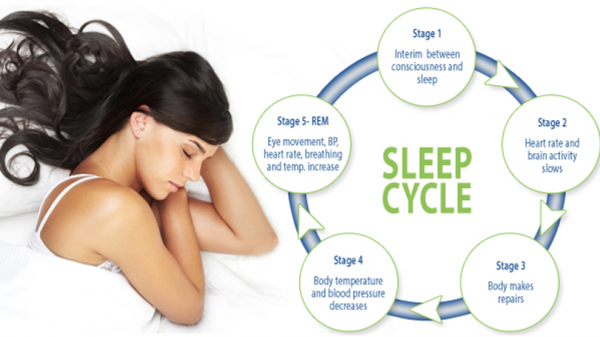
Men are significantly more likely than women to develop obstructive sleep apnea, a condition in which breathing repeatedly stops during sleep. Left untreated, sleep apnea causes repeated oxygen deprivation, spikes in blood pressure, and chronic inflammation — all of which accelerate cardiovascular aging. Many men dismiss loud snoring or daytime fatigue as minor inconveniences rather than symptoms worth investigating. The relationship between poor sleep and heart disease is now considered one of the most important and underappreciated links in preventive cardiology.
Accessing Care Before a Crisis: Why Proactive Visits Matter
One of the most effective things a man can do for his heart is establish a relationship with a healthcare provider before symptoms appear. Preventive screenings — lipid panels, blood glucose, blood pressure, body composition assessments — can identify risk trajectories years before they become emergencies. For men who are unsure where to start or who need accessible, immediate care options, quality urgent care and men’s health clinics offer a practical entry point into the healthcare system without the barriers of long specialist wait times. Getting evaluated is not a sign of weakness — it is the most rational decision a man can make for his long-term performance and longevity.
Understanding the difference between care settings is also important. Many men are unsure whether to visit an emergency room, an urgent care center, or a primary care physician for various health concerns. A clear explanation of how urgent care differs from walk-in clinics can help men make faster, more informed decisions when symptoms arise — decisions that can genuinely affect outcomes in time-sensitive cardiac situations.
What World Heart Day 2026 Is Asking of Men Specifically
This year’s global cardiovascular awareness campaign is placing a sharper focus on men who fall into the highest-risk window — those between 35 and 55 who have never had a cardiac event but carry multiple unaddressed risk factors. The message is not one of fear but of informed action. Campaigns like World Heart Day 2026, led by institutions such as Cleveland Clinic Abu Dhabi, are designed to connect men with the screening tools, educational resources, and clinical expertise they need to understand their personal cardiovascular risk profile. The goal is to shift the conversation from reactive treatment to proactive prevention — a shift that requires men to show up for their health before a crisis forces them to.
Cleveland Clinic Abu Dhabi: A Center Built for Serious Cardiac Care
Cleveland Clinic Abu Dhabi brings world-class cardiovascular expertise to the region, offering men access to comprehensive heart health assessments, advanced diagnostics, and specialist consultations that reflect the same standards as the globally renowned Cleveland Clinic in the United States. Their World Heart Day 2026 initiative reflects a commitment not just to treating heart disease but to preventing it — particularly in men who are statistically most likely to underestimate their risk and delay seeking care. The institution’s approach combines clinical rigor with patient education, making it a trusted resource for men who are ready to take their cardiovascular health seriously.
The Decision That Changes the Trajectory
Heart disease in men is not inevitable. It is, in large part, a consequence of accumulated decisions — decisions about diet, activity, stress management, sleep, and whether to see a doctor when everything still feels fine. The men who avoid cardiac events in their 50s and 60s are rarely the ones who were simply lucky. They are the ones who paid attention a decade earlier, who got their numbers checked, who treated warning signs as information rather than inconvenience. World Heart Day 2026 is not a reminder that men are fragile. It is a reminder that the heart is a precision instrument — and like any precision instrument, it performs best when it is maintained rather than repaired after failure.